Book An Appointment
Sat - Thu: 11:00 AM - 11:00 PM
Friday: Closed
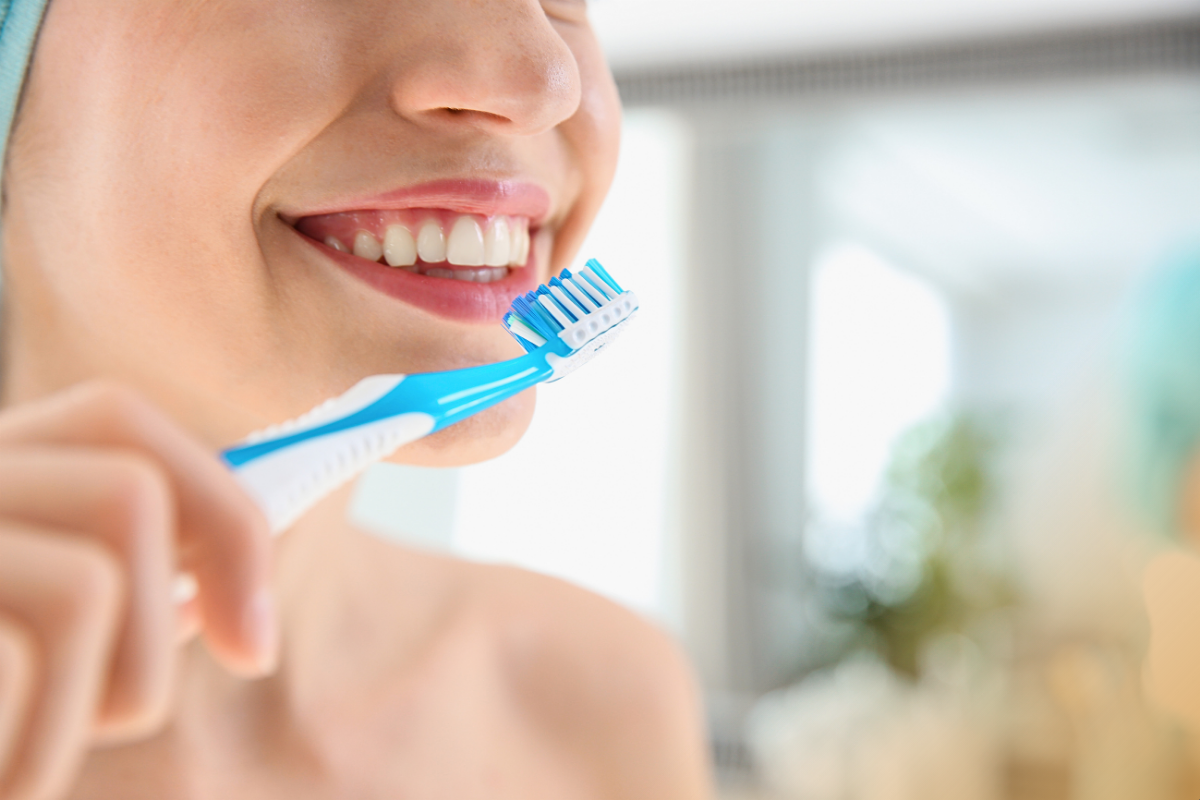
If your gums bleed when you brush, feel swollen, look red or seem to be pulling away from your teeth, it may be a sign that your gums need more than a change of toothbrush.
At Dr. Dalia Siddig Medical Center in Al Majaz, Sharjah, gum care focuses on identifying what is causing the problem, treating inflammation and helping protect the teeth and supporting tissues over time.
Gum care includes the prevention, assessment and treatment of conditions affecting the gums and the tissues that support your teeth.
Healthy gums should generally feel comfortable and should not bleed regularly during brushing or flossing.
Changes such as persistent bleeding, swelling or gum recession can sometimes be linked to plaque and tartar build-up, gingivitis or more advanced gum disease.
Depending on the condition of your gums, care may include:
The earlier gum problems are identified, the easier they may be to manage.
Consider booking a dental assessment if you notice:
You may also benefit from regular gum care even if you do not have symptoms, particularly if you have a history of gum problems.
Your dentist examines the gums for signs such as bleeding, inflammation, recession, plaque or tartar build-up.
The condition of the surrounding teeth and existing dental work is also reviewed.
Bleeding gums can have different contributing factors.
Your oral hygiene routine, tartar build-up, smoking, medical history, medication and previous dental treatment may all be relevant.
Some patients may only need professional cleaning and improved home care.
Others may need deeper cleaning below the gumline or further periodontal assessment depending on the extent of the problem.
Plaque and hardened tartar are removed from areas that cannot be properly cleaned with brushing alone.
Where deeper gum pockets are present, additional cleaning may be recommended.
Your dentist may advise on brushing technique, flossing, interdental brushes or other ways to keep the gumline cleaner between visits.
If gum inflammation is more advanced, your response to treatment may need to be reviewed over time.
Removes plaque and tartar that have accumulated around the teeth and gumline.
This may be sufficient for patients with mild gum inflammation and no deeper periodontal problems.
When plaque and tartar extend below the gumline, more thorough cleaning may be required.
The exact treatment depends on the depth and condition of the gum tissues.
Patients with a history of gum disease may need regular reviews to monitor bleeding, gum pockets, recession and tooth stability.
Small changes in brushing and interdental cleaning can make a major difference to gum health.
The advice given depends on where plaque is building up and which areas are difficult for you to clean.
Crowns, bridges, veneers and implants all require careful cleaning around the gumline.
If an area repeatedly bleeds or traps food, it should be assessed.
Root canal treatment can help:
Keeping a natural tooth can also help maintain normal chewing and avoid creating a new gap that later needs replacement.
Good gum care can help:
Gum health is not separate from dental health.
The gums and bone are what help support the teeth you want to keep.
Many people assume bleeding during brushing is caused by brushing too hard. Sometimes that is true. But frequent bleeding can also be a sign of gum inflammation.
You may be more likely to notice problems if:
If bleeding continues, it is worth having the gums checked rather than simply switching toothpaste.
Gum recession happens when the gumline moves away from the normal position around the tooth, exposing more of the tooth surface or root.
You may notice:
Possible contributing factors include gum disease, aggressive brushing, tooth position and other local factors.
Treatment depends on the cause and severity.
Your gums, teeth, bite and existing dental work are considered together rather than treating bleeding or swelling as an isolated problem.
Not every patient with bleeding gums needs extensive treatment.
The level of care is based on what is actually found during the examination.
You will be shown how to care for the areas where plaque is collecting rather than simply being told to “brush better.”
Regular cleaning and gum reviews can help identify changes before they become more difficult to manage.
Dr. Dalia Siddig Medical Center is located in Al Majaz 1, Sharjah, with appointments available from 11:00 AM to 11:00 PM on operating days.
Bleeding is often linked to gum inflammation caused by plaque around the gumline, although other factors may also contribute.
If it happens regularly, a dental assessment is recommended.
Mild inflammation may improve with better oral hygiene, but persistent bleeding should be checked to rule out a more significant gum problem.
Gingivitis is inflammation of the gums and is often associated with redness and bleeding.
More advanced periodontal disease can affect the tissues and bone supporting the teeth.
Most routine cleaning is well tolerated, although sensitivity can vary depending on the amount of tartar, inflammation and gum condition.
Your dentist can explain what to expect before treatment.
There is no single schedule for everyone.
The frequency depends on your gum health, tartar build-up, oral hygiene, smoking history and whether you have had gum disease before.
Advanced gum disease can damage the tissues and bone that support the teeth, which may eventually affect tooth stability.
Loose teeth should be assessed promptly.


Dental implants, cosmetic dentistry, dermatology, and laser treatments in Al Majaz, Sharjah. Expert care at Dr. Dalia Siddig Medical Center.
Copyright © 2026 @ Dr Dalia Siddig Medical Center | Designed & Developed By MediGrow.ae