Book An Appointment
Sat - Thu: 11:00 AM - 11:00 PM
Friday: Closed
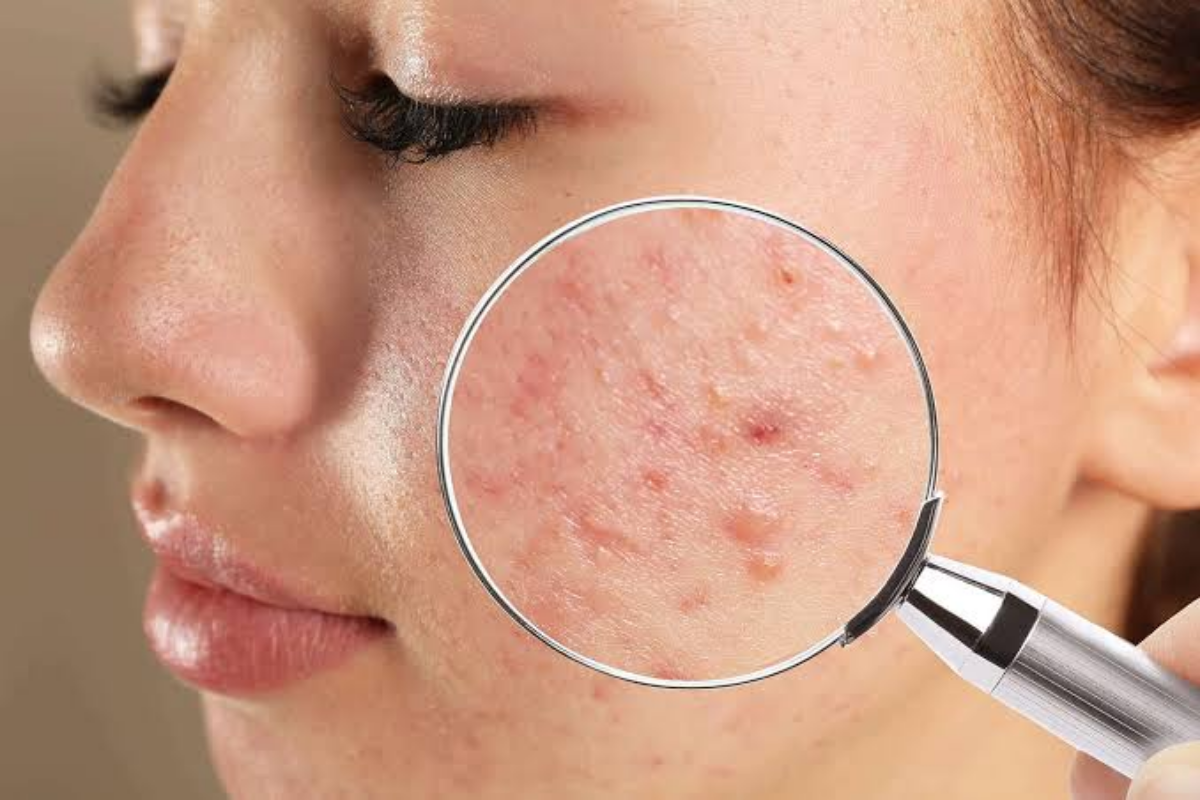
Acne can be frustrating, especially when breakouts keep returning despite changing products or treatments.
At Dr. Dalia Siddig Medical Center in Al Majaz, Sharjah, acne care starts by looking at the type of breakouts, their severity, where they appear and whether they are leaving dark marks or scars.
Your dermatologist can then recommend a plan that fits your skin rather than relying on trial and error.
Acne is an inflammatory skin condition that affects the hair follicles and oil-producing glands.
It can appear as:
Acne may affect the face, jawline, chest, shoulders or back.
Different types of acne often need different approaches, which is why identifying the pattern first is important.
You may benefit from a dermatology consultation if:
You do not need to wait until acne becomes severe before getting professional advice.
Your dermatologist asks when the breakouts started, how they behave and what treatments you have already tried.
The type and severity of acne are examined, including whether pigmentation or scarring is developing.
Your cleanser, moisturiser, sunscreen, active ingredients and previous prescriptions may be reviewed.
Depending on your skin, care may involve topical treatment, oral medication, skincare changes or selected procedures.
Acne treatment usually needs time. Follow-up allows the dermatologist to see how your skin is responding and adjust the plan when needed.
Professional acne management can help:
They are not the same.
Flat brown, grey or darker areas left after a breakout may be post-inflammatory pigmentation.
True scars involve changes in the skin’s texture and may appear depressed, raised or irregular.
If active acne is still present, controlling new breakouts is usually an important part of preventing further marks and scars.
Recurring or persistent acne can be medically assessed before deciding on skincare, medication or procedures.
Blackheads, inflammatory breakouts, deeper acne, pigmentation and scars are approached differently.
Your existing routine can be reviewed so unnecessary or irritating products can be identified.
If breakouts are leaving marks or scars, these concerns can be considered as part of the wider skin plan.
Dr. Dalia Siddig Medical Center is located in Al Majaz 1, Sharjah, with clinic hours from 11:00 AM to 11:00 PM on operating days.
Most acne treatments need several weeks of consistent use before meaningful improvement becomes visible. Your dermatologist will explain when your plan should be reviewed.
Acne can be influenced by clogged follicles, oil production, inflammation and other individual factors. Repeatedly changing products without identifying the acne pattern may make it harder to manage.
Inflammation can trigger pigmentation after a breakout settles. These marks are especially noticeable in some skin tones and may take longer to fade.
Active acne is usually addressed first so new scars are not continuing to form. Scar treatment can then be planned according to the type of scarring.
Often, yes. A suitable non-comedogenic moisturiser can support the skin barrier, particularly when acne treatments cause dryness or irritation.
It is best avoided. Picking or squeezing can increase inflammation and may increase the risk of pigmentation or scarring.


Dental implants, cosmetic dentistry, dermatology, and laser treatments in Al Majaz, Sharjah. Expert care at Dr. Dalia Siddig Medical Center.
Copyright © 2026 @ Dr Dalia Siddig Medical Center | Designed & Developed By MediGrow.ae