Book An Appointment
Sat - Thu: 11:00 AM - 11:00 PM
Friday: Closed
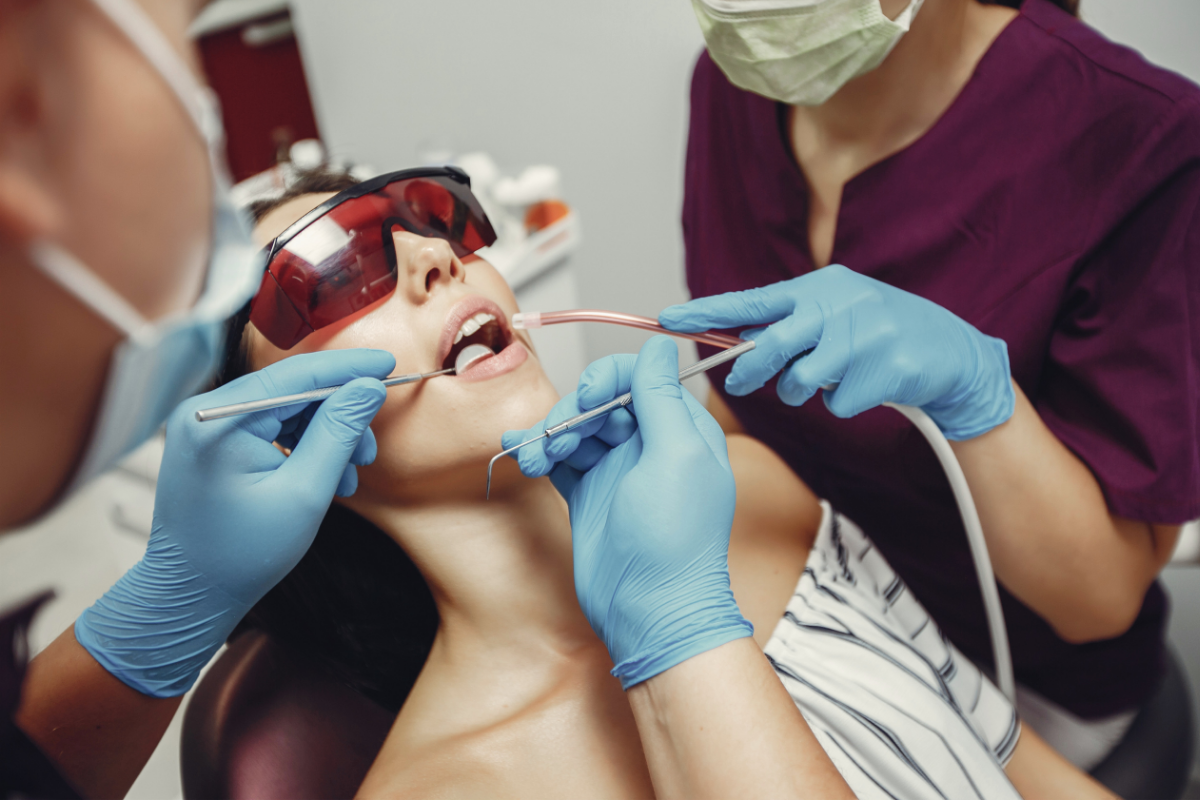
A dental check-up is a simple way to understand how your teeth and gums are doing, even when nothing hurts.
At Dr. Dalia Siddig Medical Center in Al Majaz, Sharjah, consultations are used to review your oral health, check existing dental work and look into any changes or concerns you may have noticed.
If something needs attention, your dentist will explain what it is and what the next step may involve.
A routine dental visit may include:
A check-up can also confirm that your teeth and gums are healthy and that no active care is currently required.
You can book a dental check-up for routine care or if you notice:
You do not need to know what is causing the problem before your appointment.
Tell your dentist what brought you in, whether it is a routine check-up, a specific symptom or a second opinion.
Your teeth, gums and existing dental restorations are checked.
Dental X-rays may be recommended when more information is needed to assess a tooth or another area of the mouth.
Your dentist will explain what looks healthy, what may need monitoring and whether anything requires care.
If something needs treatment, you can discuss the available options and which concerns should be prioritised.
Routine dental visits can help:
They can also provide reassurance when everything is healthy.
You can start again at any time.
People postpone dental visits for many reasons, from busy schedules to previous uncomfortable experiences or simply because nothing was hurting.
Your first appointment is about understanding your dental health today.
If anything needs attention, the dentist can organise it into manageable priorities rather than overwhelming you with everything at once.
Your teeth, gums and existing dental work are considered during the consultation.
Imaging is recommended when it provides useful information for diagnosis or planning.
If a concern is found, your dentist will explain what it means and what options are available.
The clinic provides general dentistry, restorative care, cosmetic dentistry, dental implants and full mouth rehabilitation if your needs extend beyond a routine check-up.
Dr. Dalia Siddig Medical Center is located in Al Majaz 1, Sharjah, with clinic hours from 11:00 AM to 11:00 PM on operating days.
Yes. Routine examinations can help monitor your teeth and gums before symptoms develop.
No. X-rays are taken when the dentist needs additional information that cannot be obtained from the examination alone.
The ideal interval depends on your oral health, dental history and risk of future problems. Your dentist can recommend a suitable schedule.
You can still book normally. The dentist will review your current oral health and discuss any priorities if treatment is needed.
Not always. Your first visit may simply involve examination, diagnosis and planning. The next step depends on what is found.
Yes. You can bring any available dental records, X-rays or previous treatment plans so the dentist can review your concern.

Dental implants, cosmetic dentistry, dermatology, and laser treatments in Al Majaz, Sharjah. Expert care at Dr. Dalia Siddig Medical Center.
Copyright © 2026 @ Dr Dalia Siddig Medical Center | Designed & Developed By MediGrow.ae